
What is feeding support?

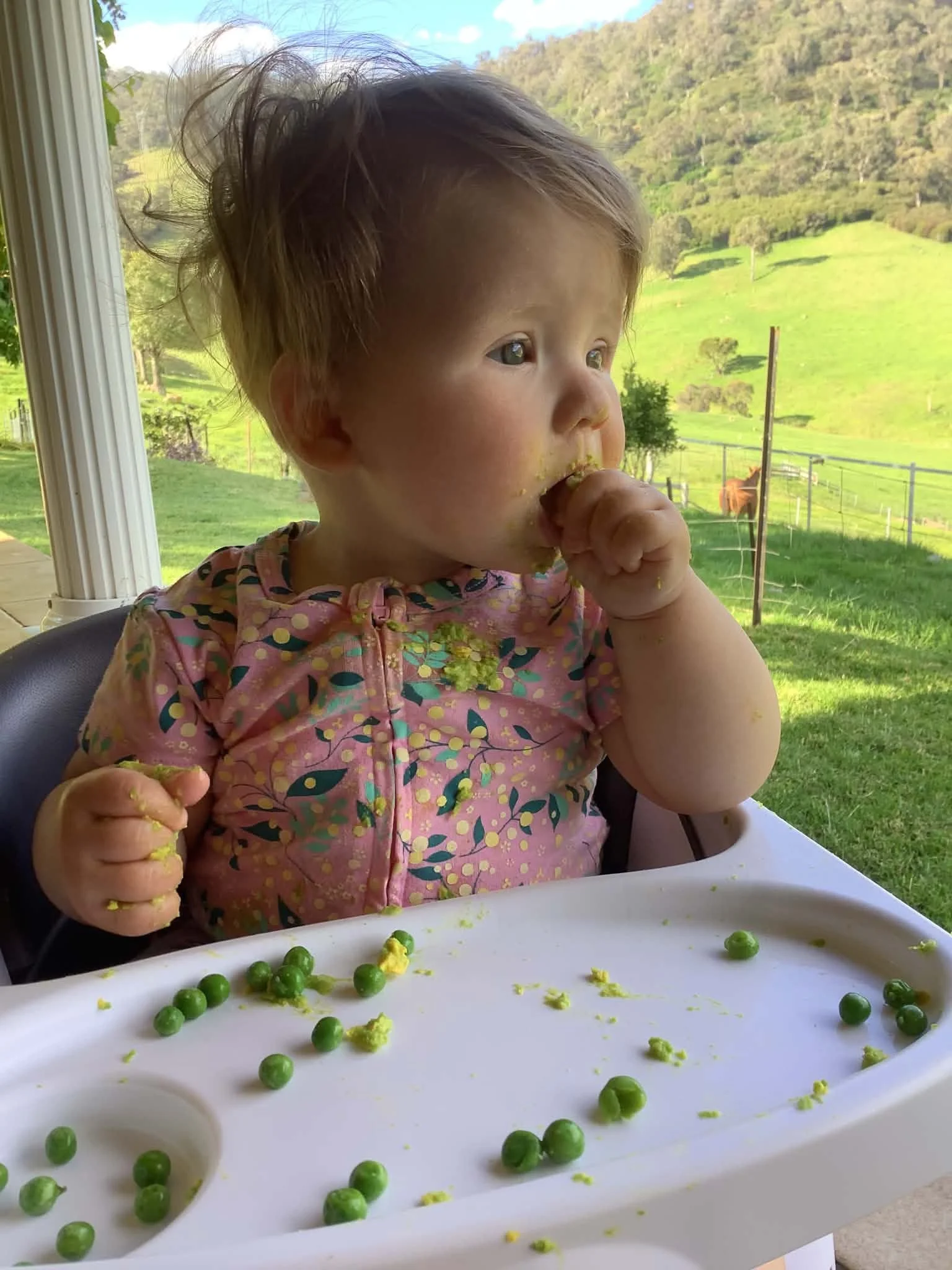

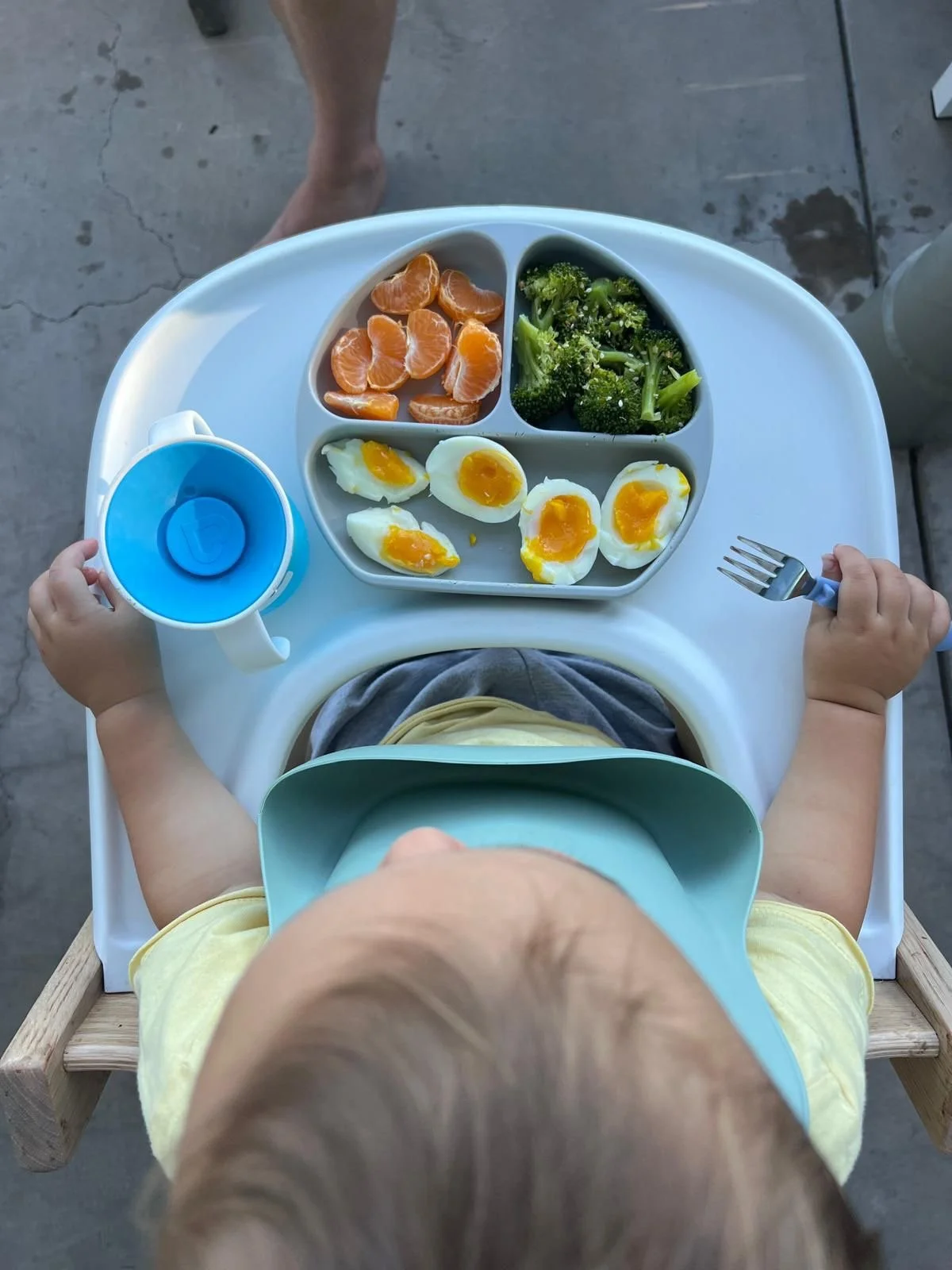
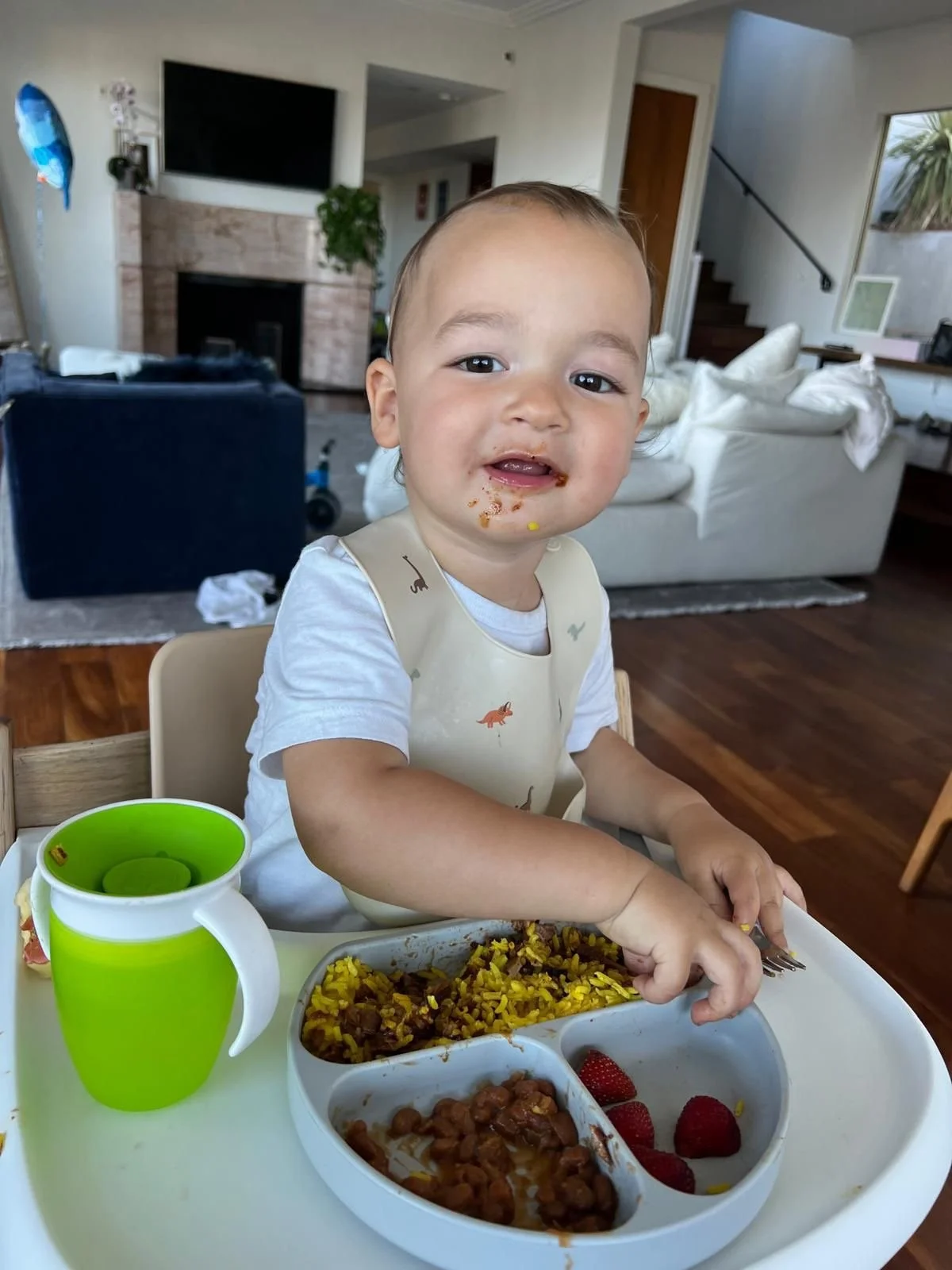
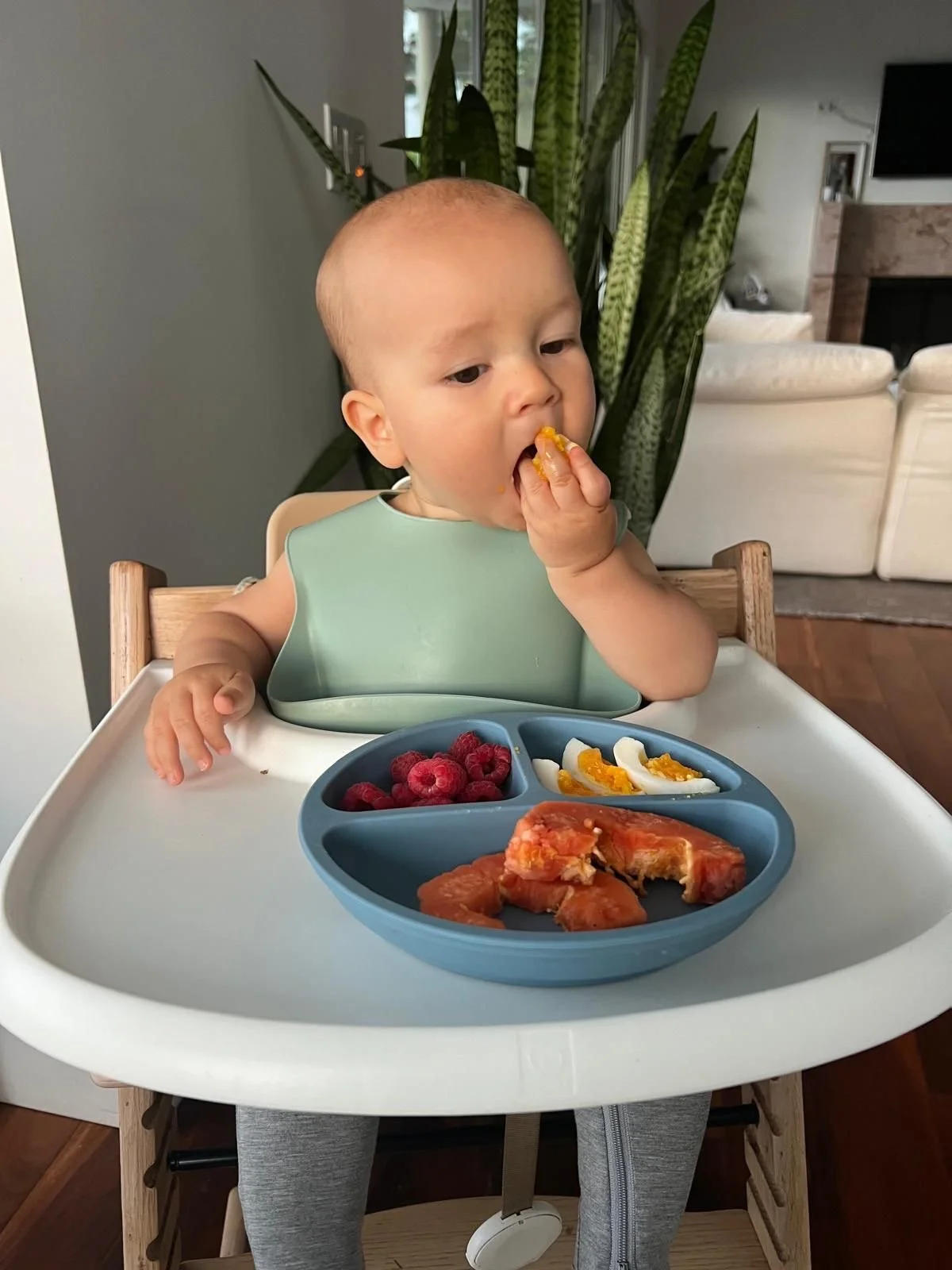
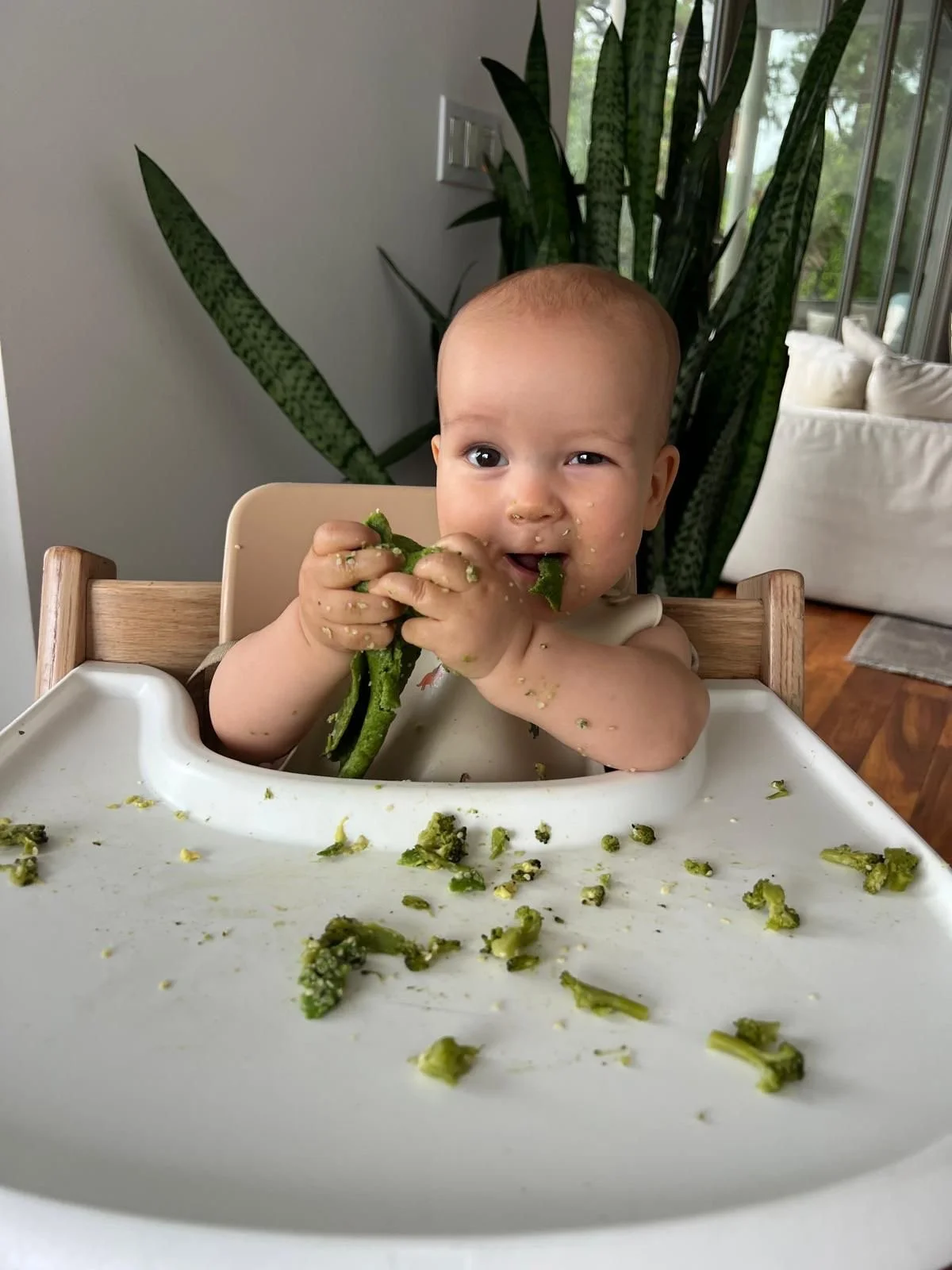
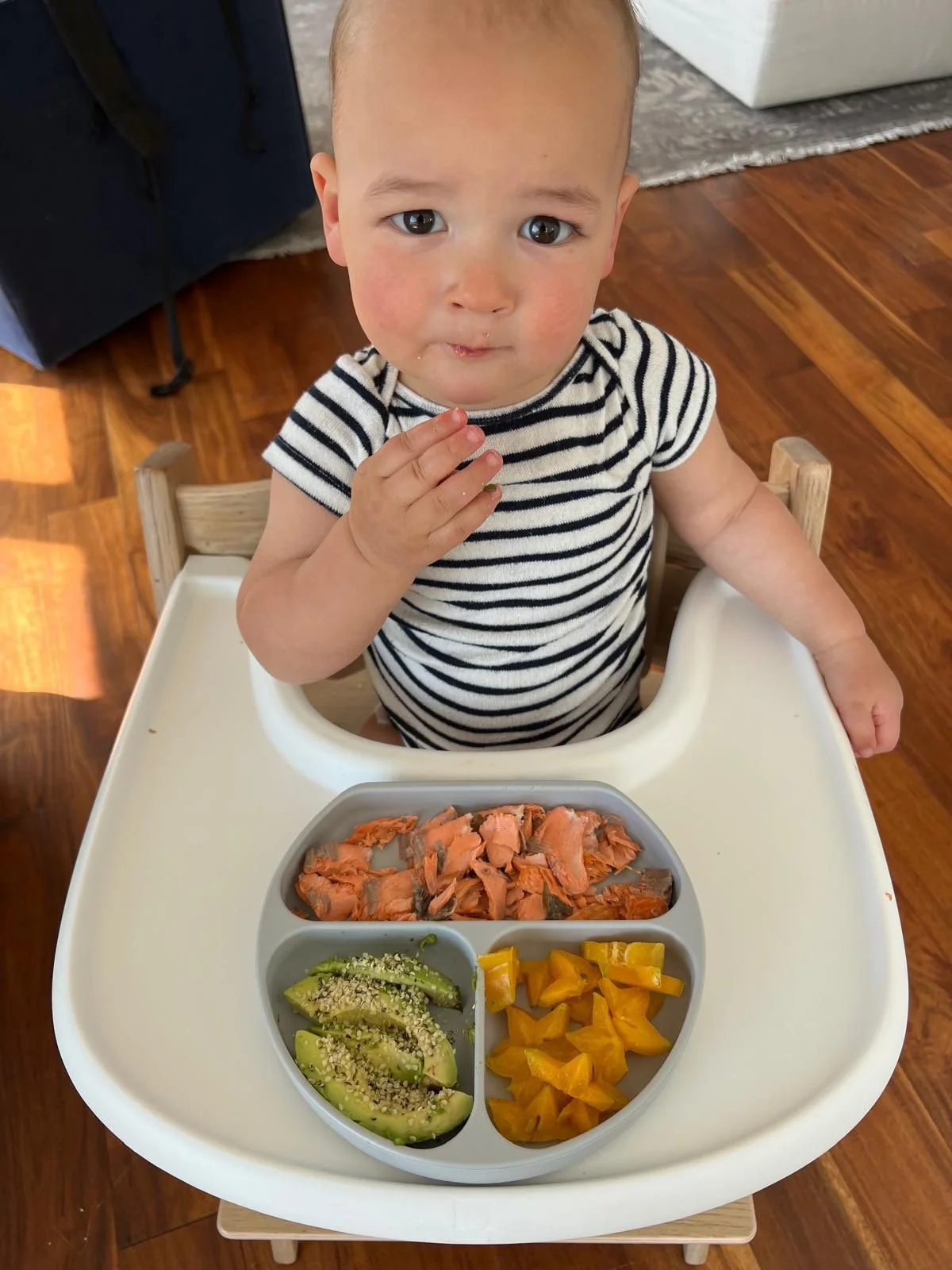

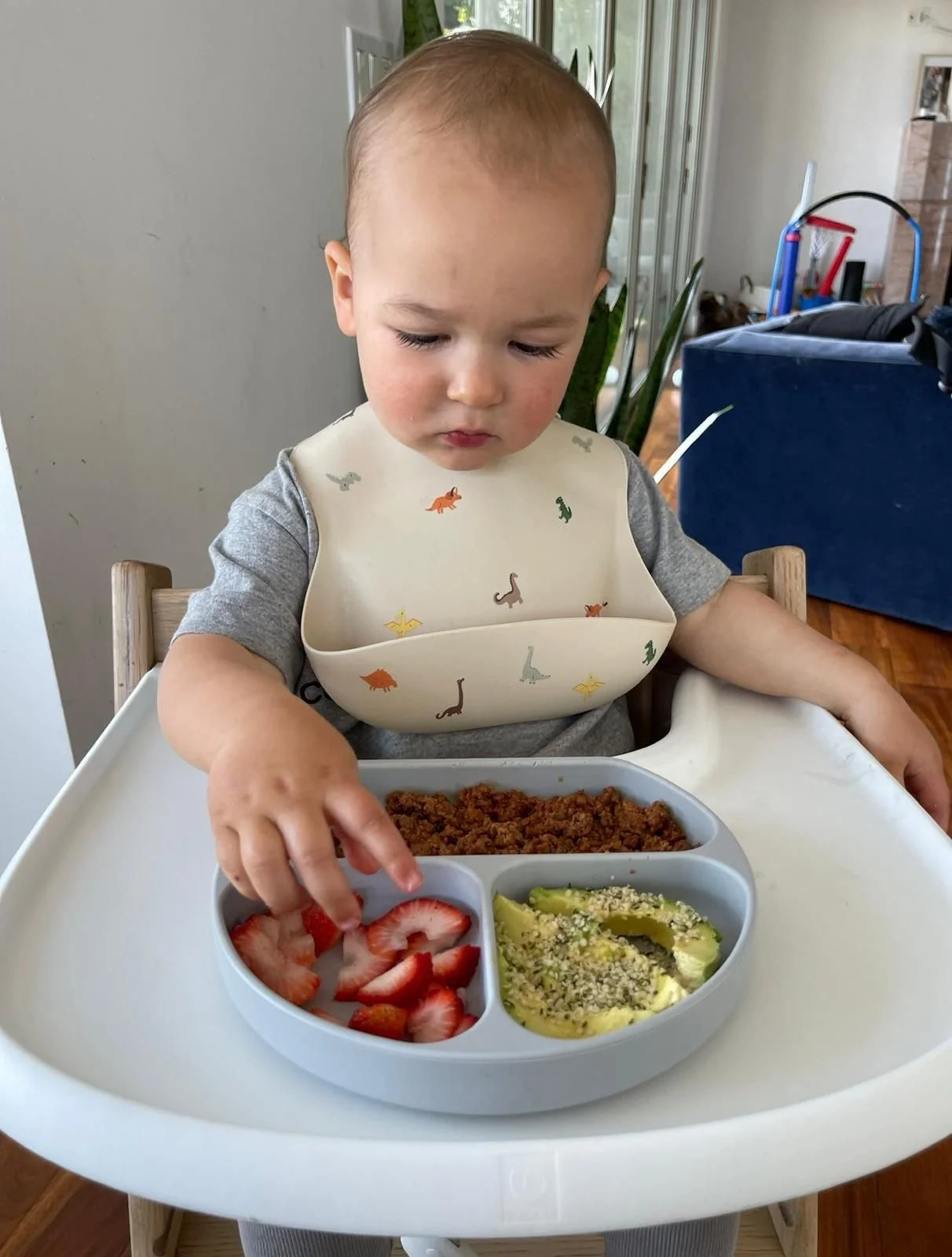


Feeding is something we often expect to “just happen.” But for many families, it’s not that simple.
Eating is one of the most complex tasks your child will learn. It involves coordination, strength, sensory processing, and trust. And just like communication, the foundations for feeding are built in the first two years of life.
When things feel hard, stressful, or not quite right, early support can make a meaningful difference.
Feeding is more than just eating
Feeding isn’t just about getting food in. It includes:
Breastfeeding or bottle feeding
Learning to manage different textures
Chewing and swallowing safely
Tolerating new foods, tastes, and smells
Sitting, focusing, and participating in mealtimes
It’s also deeply connected to your child’s sense of safety and connection with you.
When feeding is going well, it can feel easy and enjoyable. When it’s not, it can quickly become stressful for everyone involved.
The early years set the foundation
In the first few years, your child is learning:
How to move food safely in their mouth
How to coordinate chewing and swallowing
How to respond to hunger and fullness cues
How to explore and accept a variety of foods
This is also when feeding patterns and preferences begin to take shape.
Because the brain is so adaptable during this time, early support can help guide these patterns in a positive direction.
Early feeding support can help your child
Waiting and hoping things will improve on their own can sometimes allow feeding challenges to become more established.
Early support from a speech pathologist can:
Identify any underlying oral motor or swallowing difficulties
Support safe progression through textures
Reduce stress and pressure around mealtimes
Help your child build confidence with food
Prevent long-term feeding difficulties and restrictive eating patterns
We’re not just looking at what your child eats — we’re looking at how they eat, and how they feel about it.
Speech pathologists and feeding
Many people are surprised to learn that speech pathologists support feeding.
We have specific training in:
Oral motor development (lips, tongue, jaw coordination)
Swallowing safety (dysphagia)
Texture progression and chewing skills
Early feeding relationships and mealtime dynamics
This means we can support both the physical and developmental aspects of feeding, as well as the practical realities of family life.
It’s also about supporting you
Feeding challenges can feel overwhelming. There’s often a lot of advice, and not all of it feels helpful or realistic.
Support should feel calm, practical, and achievable.
A speech pathologist can help you:
Understand what’s going on for your child
Know what to focus on (and what not to worry about)
Feel more confident at mealtimes
Reduce pressure and make feeding feel more manageable
You don’t need to do anything perfectly — small, supported changes can have a big impact.
When to seek support
It can be helpful to reach out if your child:
Coughs, gags, or chokes regularly when eating or drinking
Has difficulty progressing through textures
Refuses many foods or eats a very limited range
Takes a long time to finish meals
Seems distressed or uncomfortable during feeding
Has a history of reflux, prematurity, or medical concerns impacting feeding
You don’t need to wait for things to get worse. Early guidance can help you feel clearer and more supported.
A gentler path forward
Feeding is about nourishment, but it’s also about connection, confidence, and trust.
When we support feeding early, we’re not just helping children eat.
We’re shaping how they experience food, their body, and mealtimes for years to come.
Appointment options
Home Visits
Home visits are available across the Southern Gold Coast and Northern NSW, allowing support to happen in your child’s familiar environment, where feeding, communication and everyday routines naturally take place.
Home-based Clinic
Appointments are available from a home-based clinic space in Currumbin, providing a calm and comfortable setting to work together.
Telehealth
For families further away, or when life is busy, telehealth appointments are available Australia-wide. This can be a simple and effective way to access support from home.