
Early Communication Support
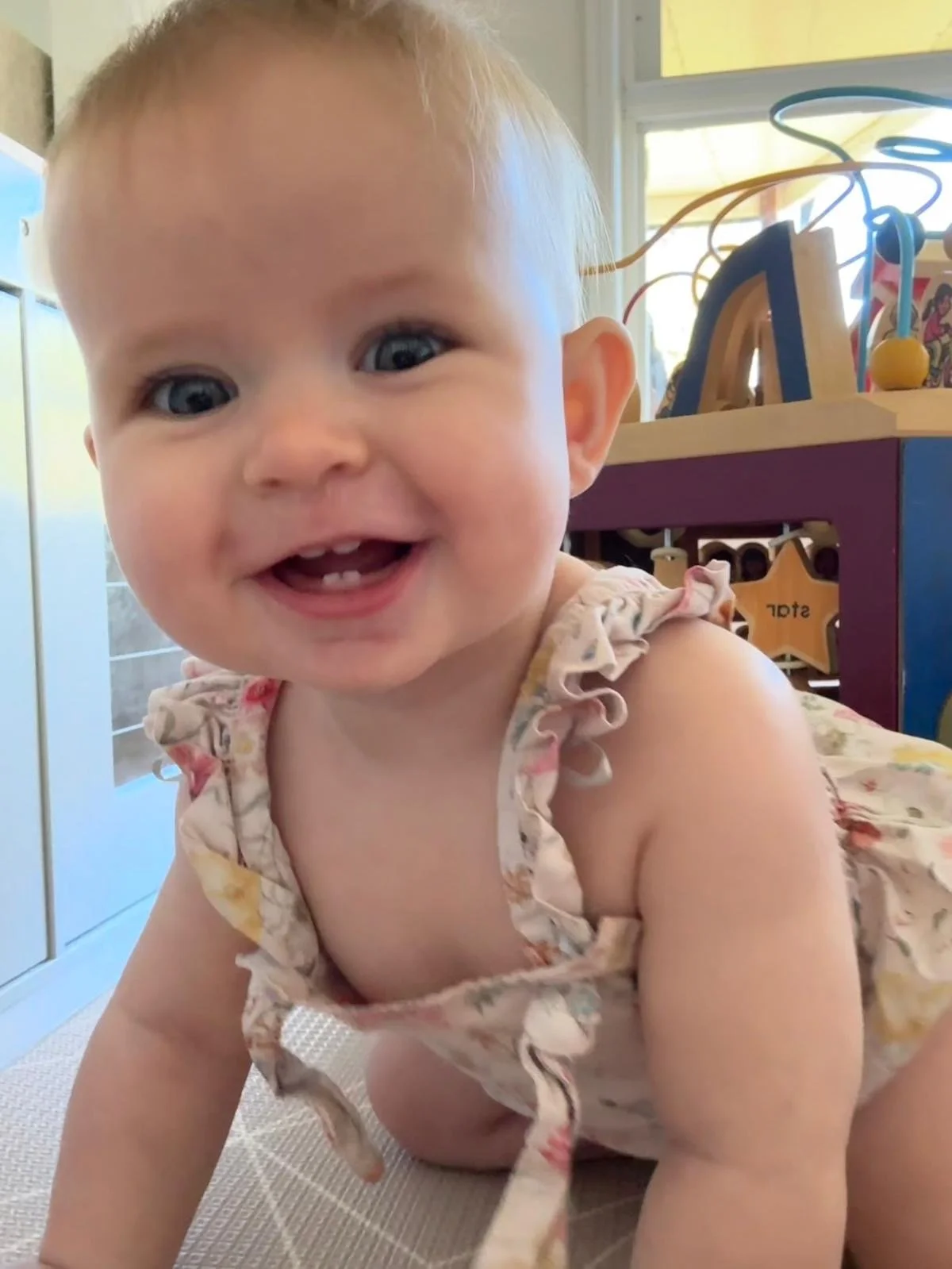
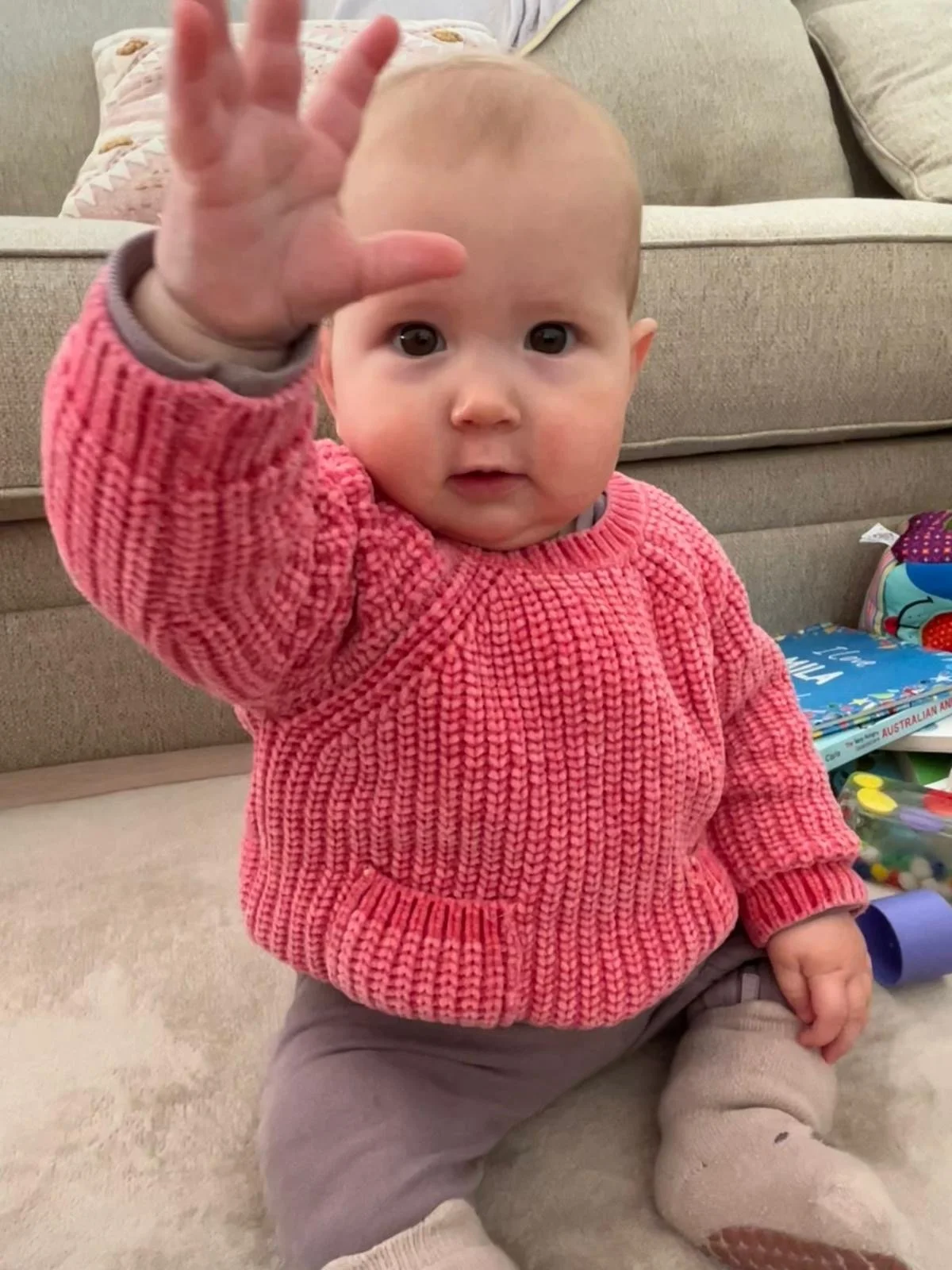
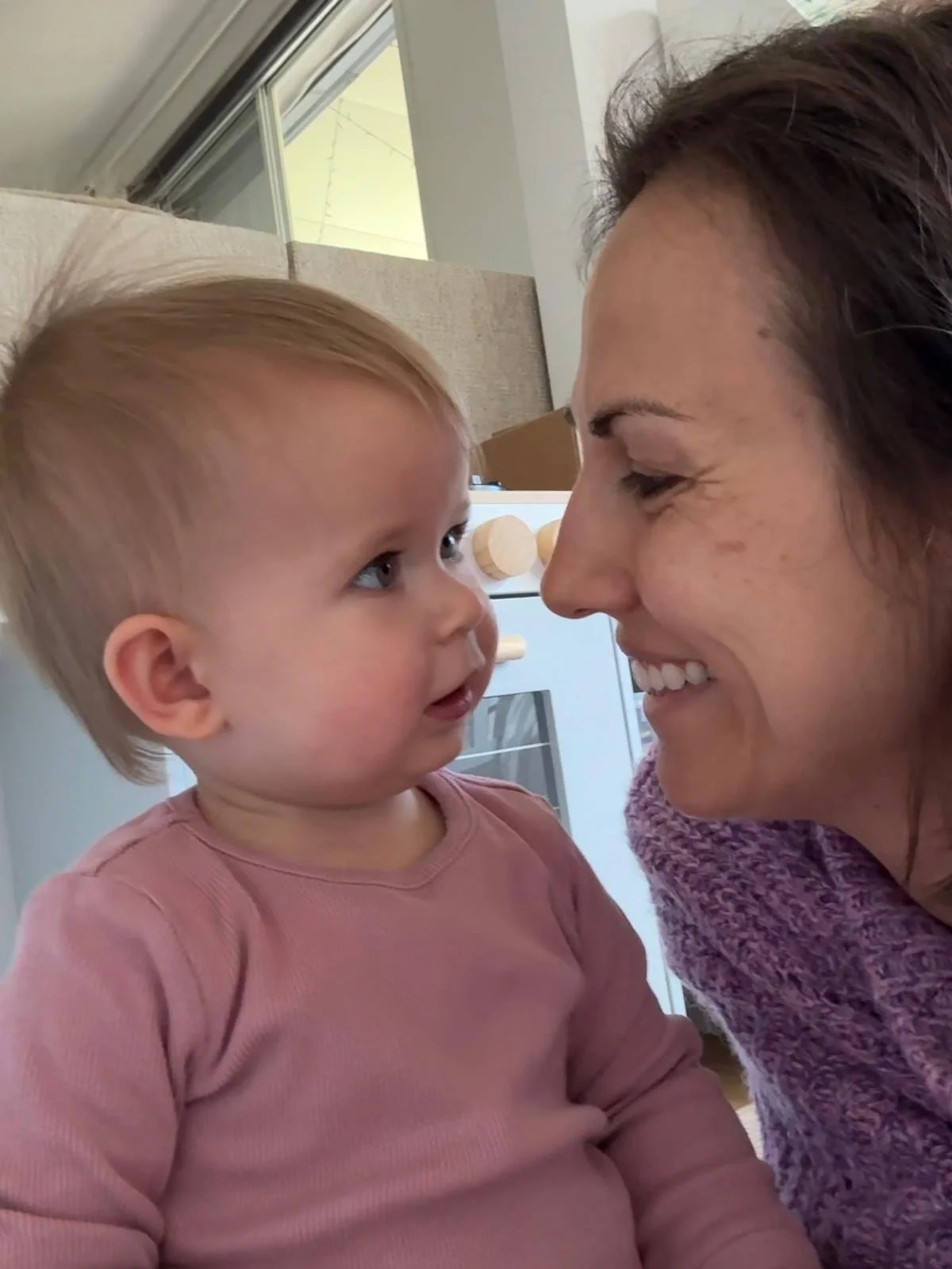
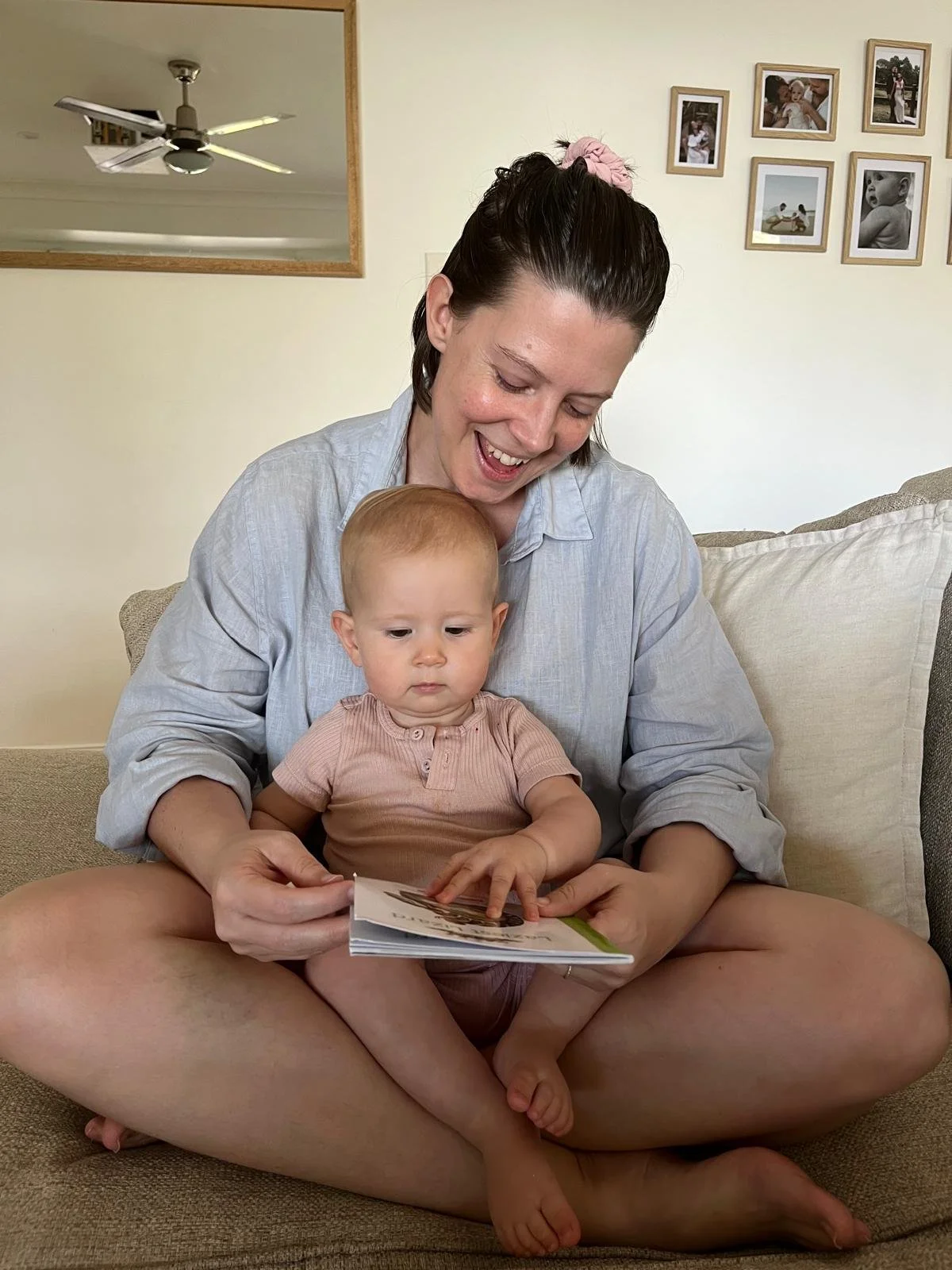
The first two years of your child’s life are a time of incredible growth. It might look like play, babbling, pointing, and those first wobbly words — but underneath it all, your child’s brain is building the foundations for communication, connection, and learning.
Long before children are talking in sentences, they are learning how communication works. They’re learning to look at you, take turns, use gestures, understand words, and share their ideas. These early skills are not “nice to have” — they are the building blocks for everything that follows.
Communication starts before words
Communication isn’t just about talking. It begins with:
Eye contact
Smiling and shared enjoyment
Babbling and vocal play
Gestures like pointing or reaching
Understanding simple words and routines
These early interactions shape how your child learns to connect, express themselves, and make sense of the world around them.
When these foundations are strong, speech and language tend to develop more easily over time.
Why the early years are so powerful
Your child’s brain is most adaptable in the first two years of life. This means:
They learn quickly through everyday interactions
Neural pathways for communication are forming rapidly
Small changes can have a big impact
Because of this, support during this period can be incredibly effective. We’re not just working on “skills” — we’re shaping how a child learns to communicate for life.
What happens when support comes early
Seeing a speech pathologist early doesn’t mean something is “wrong.” It means you’re giving your child the best possible foundation.
Early support can:
Strengthen interaction and connection between you and your child
Support understanding and early word learning
Reduce frustration for both children and parents
Help prevent small challenges from becoming bigger ones
Build confidence for future communication, learning, and social skills
Research consistently shows that early intervention leads to better long-term outcomes in communication, literacy, and overall development.
It’s also about supporting you
Early communication support isn’t just about your child — it’s about you feeling confident too.
You don’t need complicated strategies or hours of “therapy.” What makes the biggest difference is how communication is supported in everyday moments — during meals, play, bath time, and those small in-between moments that make up family life.
A speech pathologist can help you understand what to look for, what matters most, and how to support your child in a way that feels natural and manageable.
When to seek support
Every child develops at their own pace, but it can be helpful to reach out if you notice:
Limited eye contact or reduced engagement
Not responding to their name or familiar words
Limited babbling or vocalising
Not using gestures like pointing or waving
Few or no words by around 12–18 months
Frustration when trying to communicate
You don’t need to wait and see. If something doesn’t feel right, it’s always okay to check in.
A gentle start can make a big difference
The early years aren’t about rushing development — they’re about supporting it in the right way, at the right time.
When we focus on communication early, we’re not just helping children talk.
We’re helping them connect, feel understood, and build the skills they’ll carry with them for life.
Ways to work together
Home Visits
Home visits are available across the Southern Gold Coast and Northern NSW, allowing support to happen in your child’s familiar environment, where feeding, communication and everyday routines naturally take place.
Home-based Clinic
Appointments are available from a home-based clinic space in Currumbin, providing a calm and comfortable setting to work together.
Telehealth
For families further away, or when life is busy, telehealth appointments are available Australia-wide. This can be a simple and effective way to access support from home.